Pilonidal Cyst Treatment in NYC




Pilonidal disease is painful, disruptive, and often mismanaged. It can make sitting, sleeping, or even wearing clothes feel unbearable. Left untreated, it can progress to chronic infection, draining tracts, and recurrent abscesses.
Dr. Shomaf Nakhjo offers a truly curative path. As a high-volume NYC pilonidal specialist, he performs the Cleft Lift procedure with a 99% success rate, designed to eliminate disease and prevent it from coming back. Schedule a private consultation with Dr. Nakhjo at Advanced Minimally Invasive Surgery and take the first definitive step toward permanent relief.
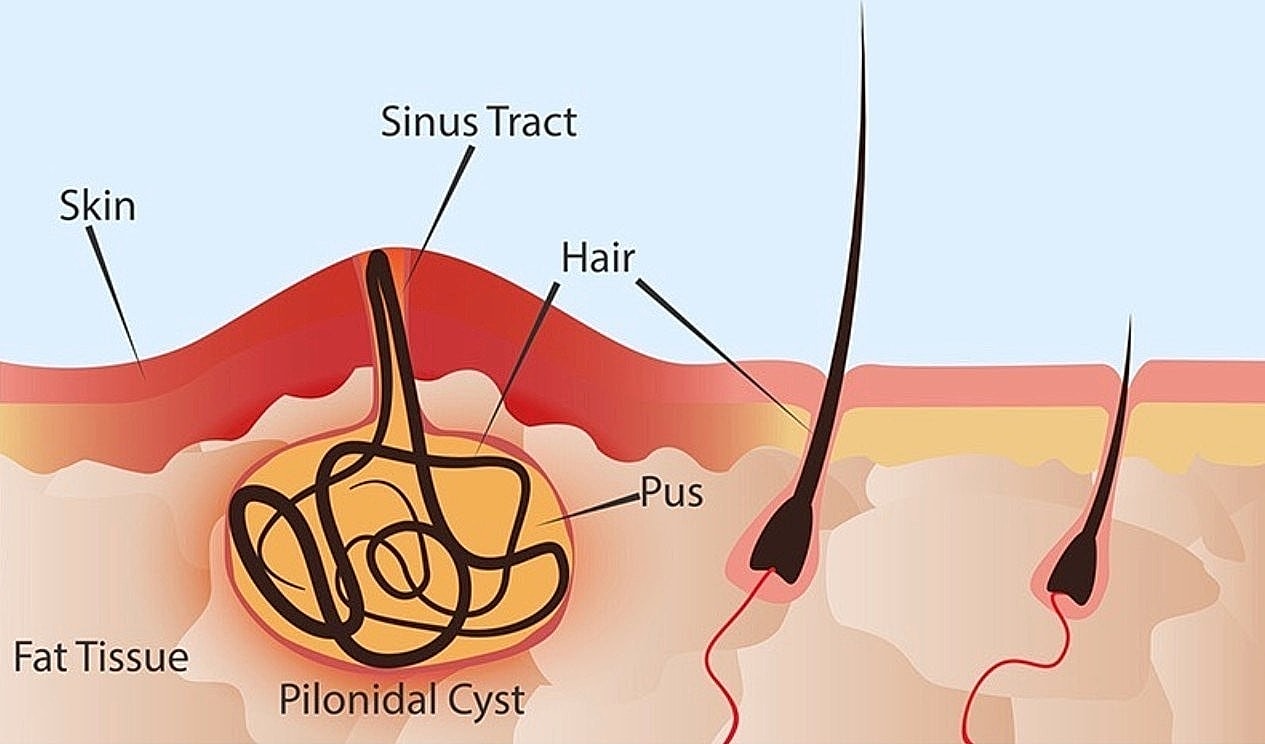
Pilonidal disease is a chronic infection of the skin and underlying fat in the buttock crease, most often affecting teens and young adults. It usually develops in people with a deep gluteal cleft, aka "butt crack". Moisture, debris, bacteria, and hair get "trapped" and create infections that invade the skin and hair roots. This ultimately creates pain and recurrent infections

Most patients with a pilonidal cyst experience large, painful areas that are tender to the touch with openings that have clear, cloudy, or bloody discharge. Redness and tenderness with foul-smelling pus (discharge), along with possible fever, are indications of an abscess formation.
While pilonidal disease is relatively common, many people don’t realize that there is an incredibly high recurrence rate if not treated properly.
Pilonidal disease can look different from person to person, but the most common symptoms include:
Other physical signs that often point to pilonidal disease include:

The Cleft Lift (Bascom Lift) is the definitive, curative pilonidal procedure, delivering a documented 99% long-term success rate.
Antibiotics and abscess drainage are often the first steps, but they rarely solve pilonidal disease for good. Most patients ultimately need surgery. A standard pilonidal cystectomy with a midline, open wound is what many surgeons rely on, yet this approach is notorious for high recurrence rates and prolonged healing.
The Cleft Lift procedure (Bascom Lift) is a different, curative strategy. The cleft lift removes only the diseased skin and minimal underlying tissue, then shifts the incision off the midline so it can heal cleanly. The cleft is re-shaped to eliminate the deep fold where hair and bacteria collect. By contrast, other flap procedures often leave disfiguring scars and fail to truly re-contour the cleft, which is why they frequently allow the problem to return.
Dr. Shomaf Nakhjo is one of the very few high-volume pilonidal specialists in the United States who routinely performs the Cleft Lift. This is a true outpatient procedure designed to cure pilonidal disease, not just manage flare-ups. It typically takes about an hour under general anesthesia. Patients go home the same day, usually with minimal discomfort, walking and resuming many daily activities within 1–2 days and returning to full, unrestricted activity in about 2 weeks.
During a full physical exam, Dr. Nakhjo will inspect the crease of your buttocks for visible signs of a Pilonidal Cyst. Questions may include changes in the cyst's appearance, fluid drainage, or other symptoms. If necessary, a CT or MRI might be ordered to detect any sinus cavities beneath the skin. Pilonidal disease is relatively common, with over 70,000 cases annually in the U.S., and typically affects individuals aged 20 to 35.

Established surgical options for treating pilonidal disease include pit picking, SiLac (laser treatment), EPSiT (endoscopic excision), Gips (sinusectomy), simple pilonidal cystectomy, and open excision. Some are more invasive than the Cleft Lift procedure, others are less invasive, and it is understandable that patients may wish to consider them.
In real-world practice, however, these options can carry recurrence rates as high as 60%, and recovery is often longer, more painful, and less predictable than with a properly performed Cleft Lift.
Because of this, I rarely recommend these operations and reserve them only for highly selected patients with very limited disease.
The core problem in pilonidal disease is not the cyst itself but the deep gluteal cleft (buttock crease) that traps hair, moisture, and bacteria. Procedures that ignore this anatomy almost always have higher failure and recurrence rates. The Cleft Lift directly flattens and reshapes this cleft, addressing the true source of the disease, which is why my Cleft Lift outcomes are consistently curative, with a 99% success rate.
At Shomaf Nakhjo, DO - Advanced Minimally Invasive Surgery, every patient is treated like family. This is a true private boutique practice, built around direct access to Dr. Nakhjo himself. From first call to final follow-up, you receive concierge-level attention, clear answers, and meticulous surgical planning, delivering definitive, curative pilonidal cyst treatment from a high-volume Cleft Lift specialist.
We work with almost all insurance companies and plan types. We will make sure you get the surgery you need, whether you have an HMO, EPO, or PPO, with NO up-front fees or down payments. You pay hefty premiums to your insurance company to get the healthcare you deserve. You should NOT have to pay additional upfront costs.
Suffering from pilonidal troubles is challenging enough; you do not need to have financial stress on top of that. If you have any questions or concerns about your insurance coverage or our billing practices, please do not hesitate to call or email our office.

Pilonidal disease most often affects young adults, especially men, but women— including those who are pregnant — are frequently impacted as well. By far the most common risk factor is in individuals who have deep gluteal clefts (buttock crease). Other factors include:
Pilonidal disease is common, with over 70,000 new U.S. cases each year, typically in individuals between ages 20 and 35.
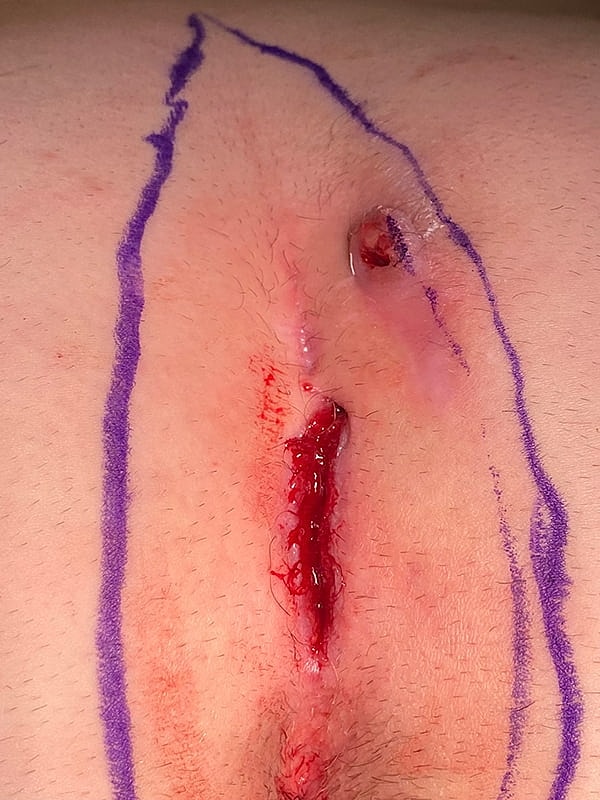
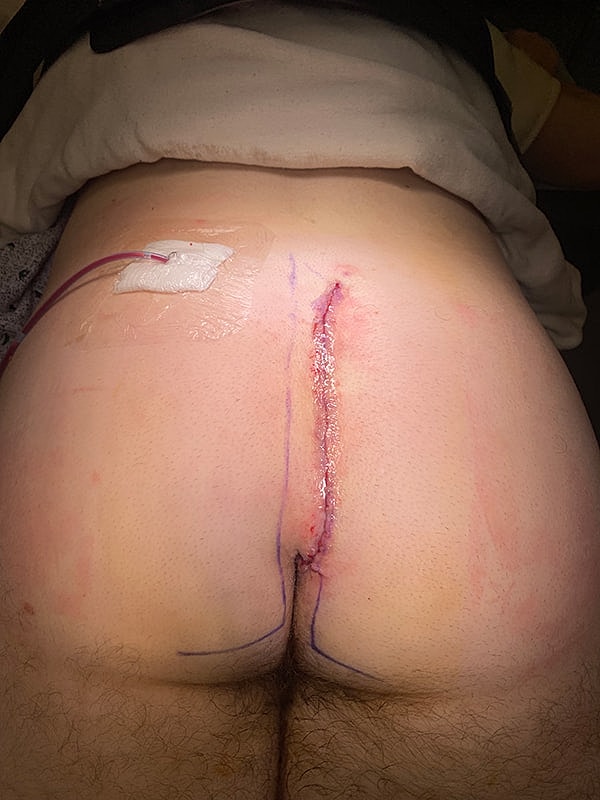
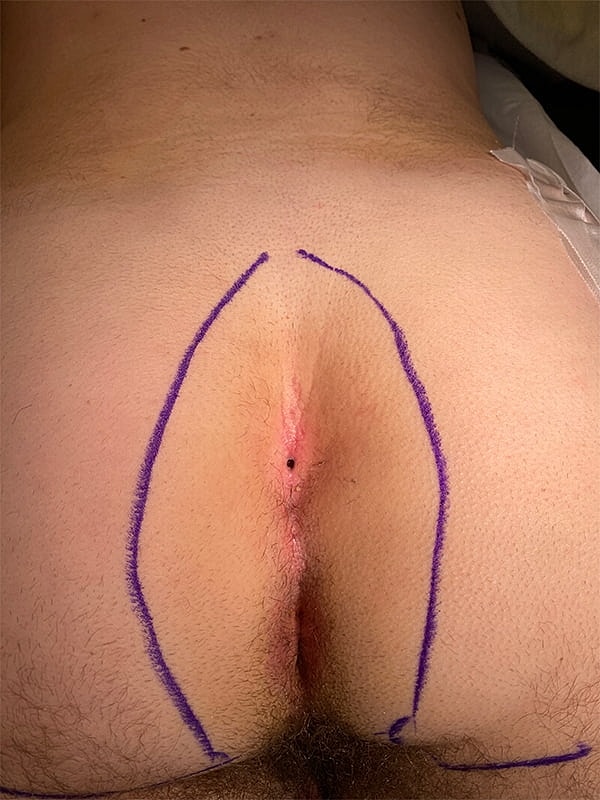
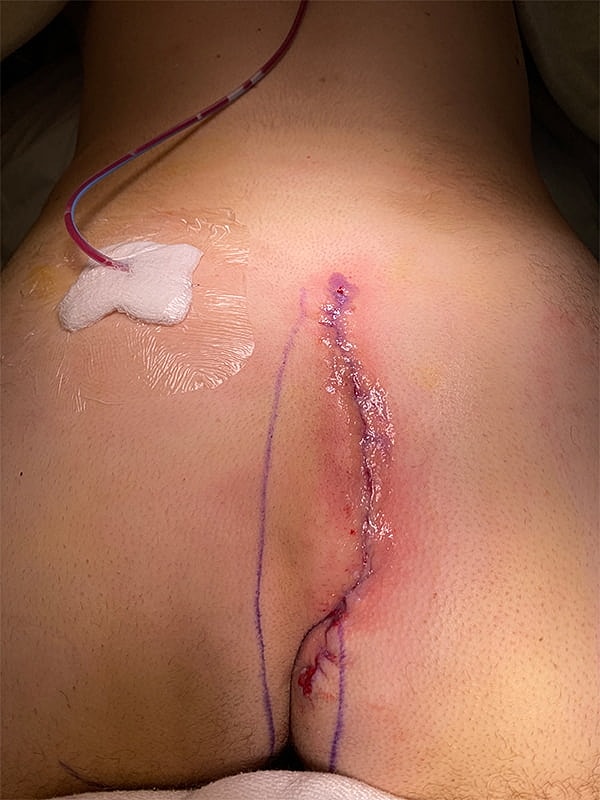
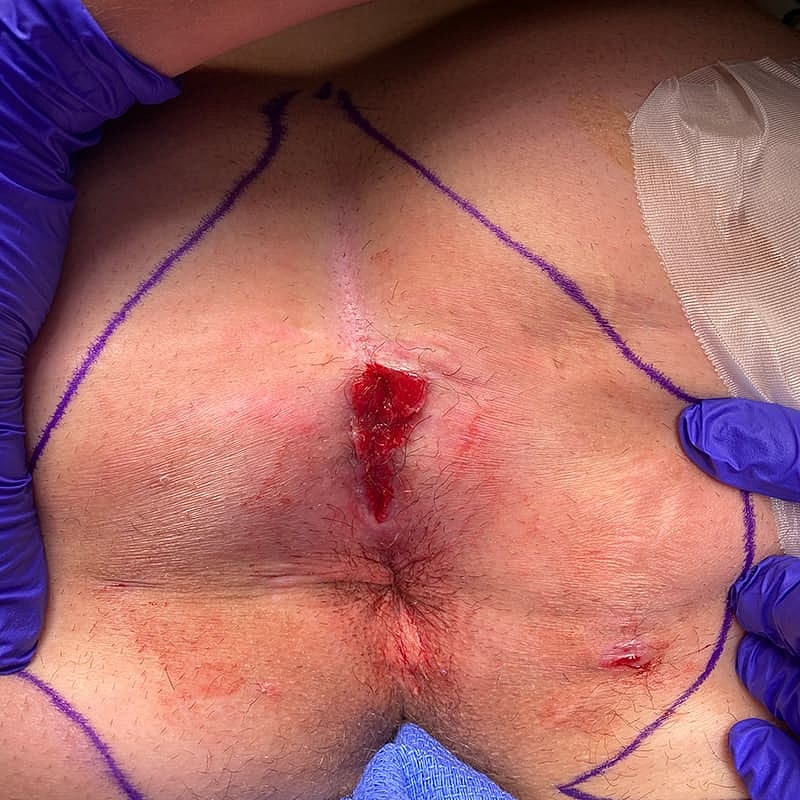
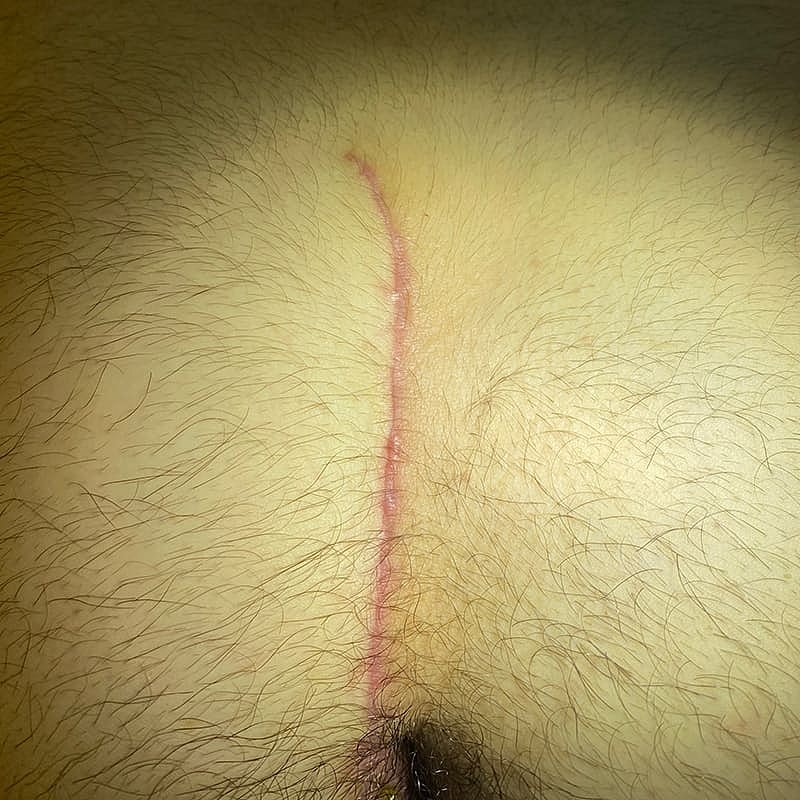
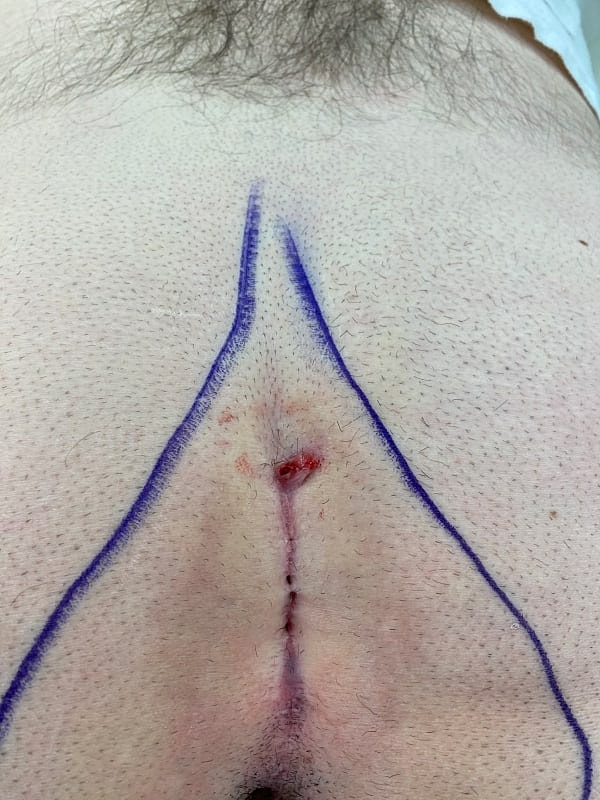
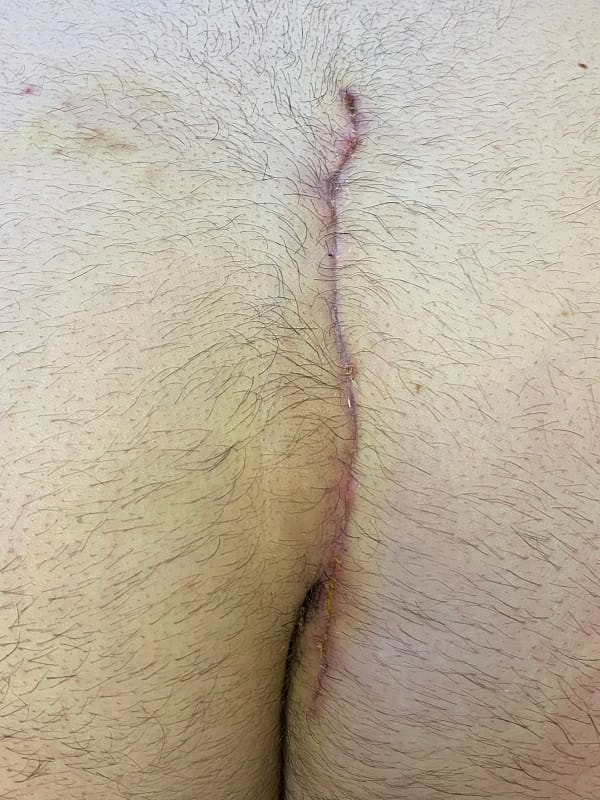
In the images below, observe how the wound is positioned off the body's midline. The smoother "U-shape" of the gluteal cleft allows for better air exposure, which prevents moisture and debris buildup. These features are crucial for optimal wound healing and significantly reduce recurrence risk.
1 of 4
Dr. Shomaf Nakhjo, DO, is a board-certified, fellowship-trained surgeon and a nationally recognized master of advanced minimally invasive procedures. Over 15 years in private practice, he has personally performed more than 4,000 operations, refining every step for safety, precision, and lasting results.
His boutique practice is built around definitive, evidence-based techniques, including the Cleft Lift procedure for pilonidal disease, with a 99% success rate, concierge-level access, and meticulous, hands-on care from the same surgeon who evaluates, operates on, and follows you through recovery.
Schedule your pilonidal disease consultation directly with Dr. Nakhjo by requesting an appointment online or calling (973) 381-9297. Every case is personally reviewed and treated by Dr. Nakhjo himself.
Our "Ask the Dr. Anything" service is tailored to address any questions or uncertainties you may have regarding your pilonidal troubles. Whether you're seeking clarification on symptoms, treatment options, or our practice, we are here to provide you with comprehensive information and guidance.
Please feel free to email us at [email protected]. Under Subject type “ADA'' and Dr. Nakhjo will be happy to answer your questions.
There is a clear genetic component for many patients we see with pilonidal disease. If coarse, dense body hair runs in your family, and several relatives have had pilonidal issues, your own risk is higher. Anatomy also matters: a deep, narrow cleft creates a trap for loose hairs and makes pilonidal problems more likely.
No. Pilonidal disease is not contagious and cannot be passed from person to person. The current understanding is that these cysts form when loose hairs penetrate the skin and trigger a chronic inflammatory reaction. It is a mechanical and anatomical problem, not an infection you can catch from someone else.
Occasionally, a pilonidal abscess will drain on its own and symptoms will temporarily improve. However, chronic pilonidal disease almost never truly resolves without a definitive procedure. The cycle of swelling, drainage, and pain tends to repeat until the underlying sinus tracts are removed and the cleft is surgically reshaped, as with a Cleft Lift.
The most serious risk is a deep, spreading infection that can become a life-threatening systemic problem if ignored. Longstanding, untreated pilonidal disease can also lead to chronic wounds and scarring. In very rare, extreme cases, pilonidal cysts have been linked to the development of squamous cell carcinoma (SCC), a type of skin cancer.
Not in every case, but you can lower your risk and reduce flare-ups by:
For patients with established, chronic disease, prevention alone is rarely enough. A properly executed Cleft Lift offers a definitive, curative solution.